A field guide to the Ostional arribada — when olive ridley sea turtles nest by the tens of thousands on a single Costa Rican beach, and how to witness it responsibly.
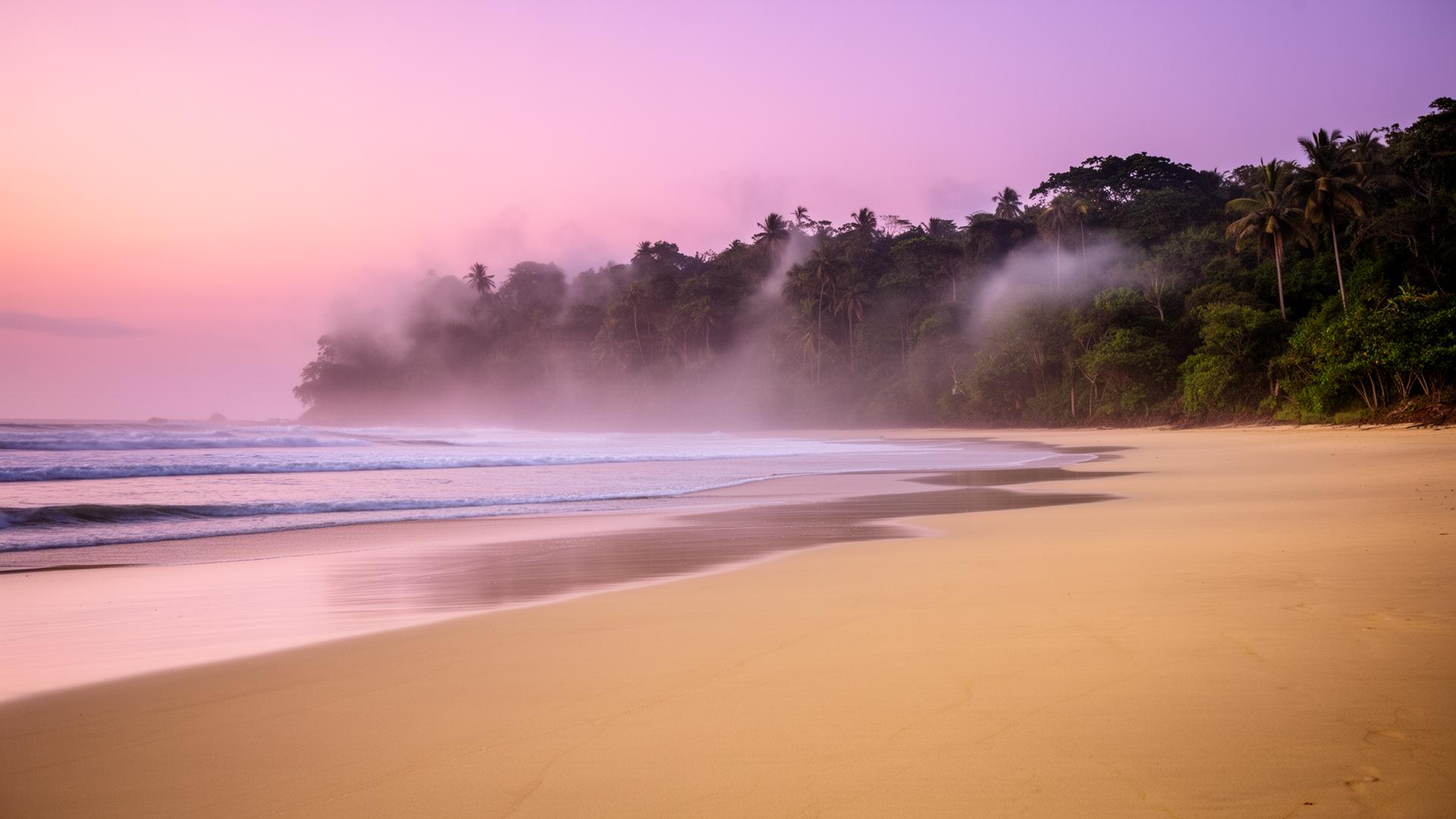
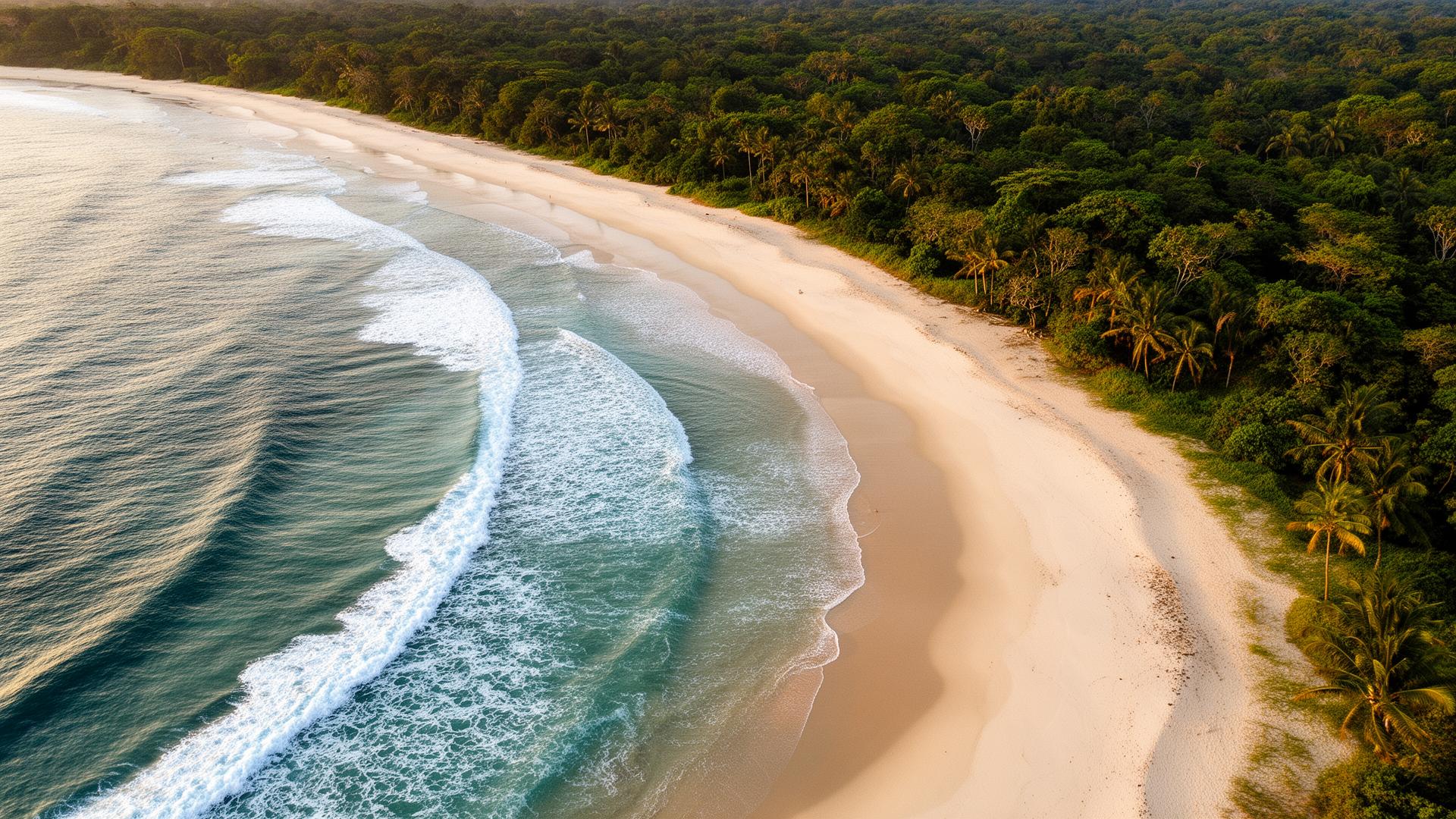
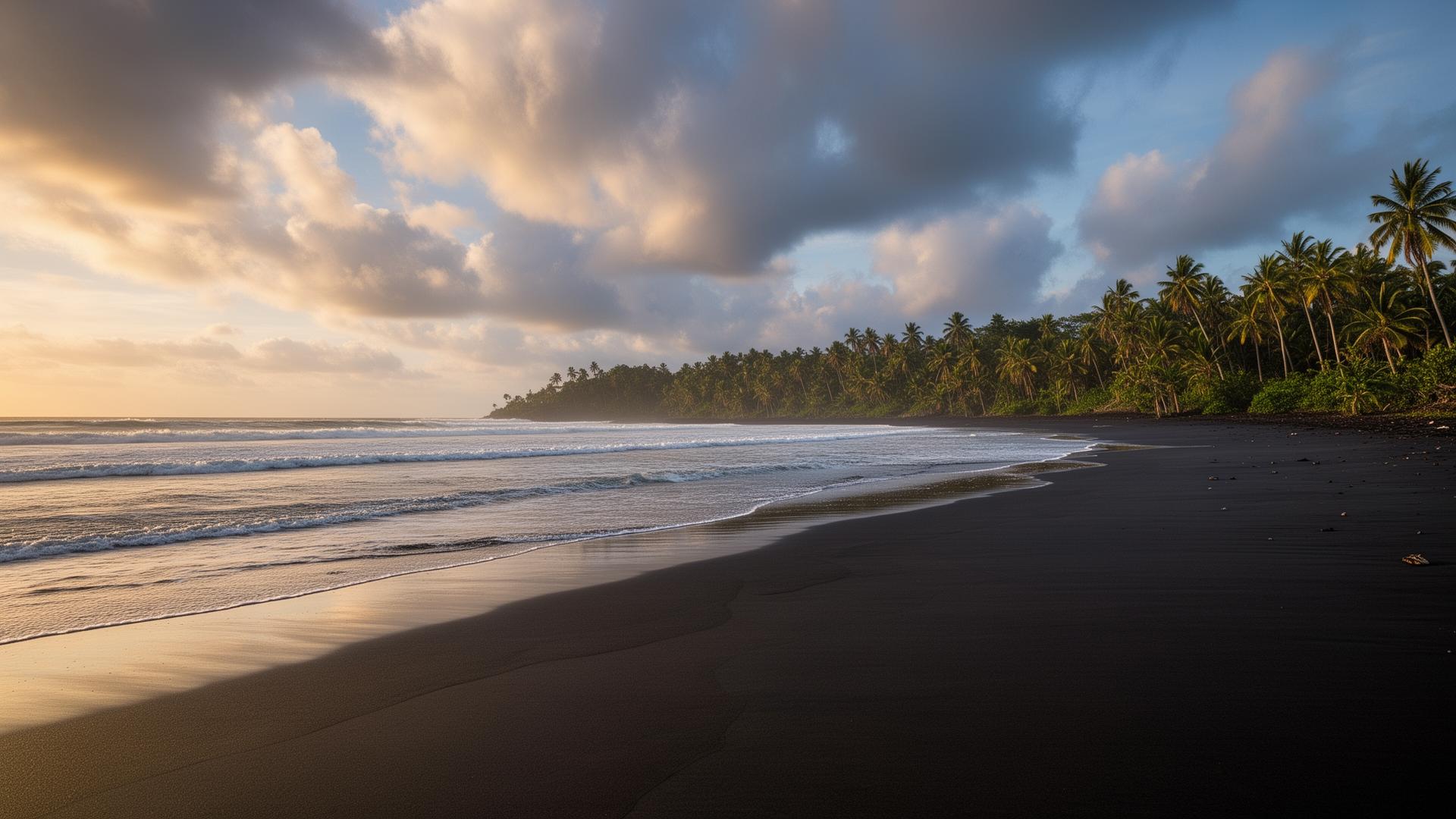
Forty minutes north of Nosara, on a single dark-sand beach in the village of Ostional, olive ridley sea turtles come ashore by the tens of thousands at once. The phenomenon is called an arribada — Spanish for arrival — and it is one of the rarest and most concentrated wildlife events on earth. It happens here, on the Pacific coast of Costa Rica, somewhere between four and ten times a year. This is what it is, why it matters, and how to see it without diminishing it.
What an arribada actually is
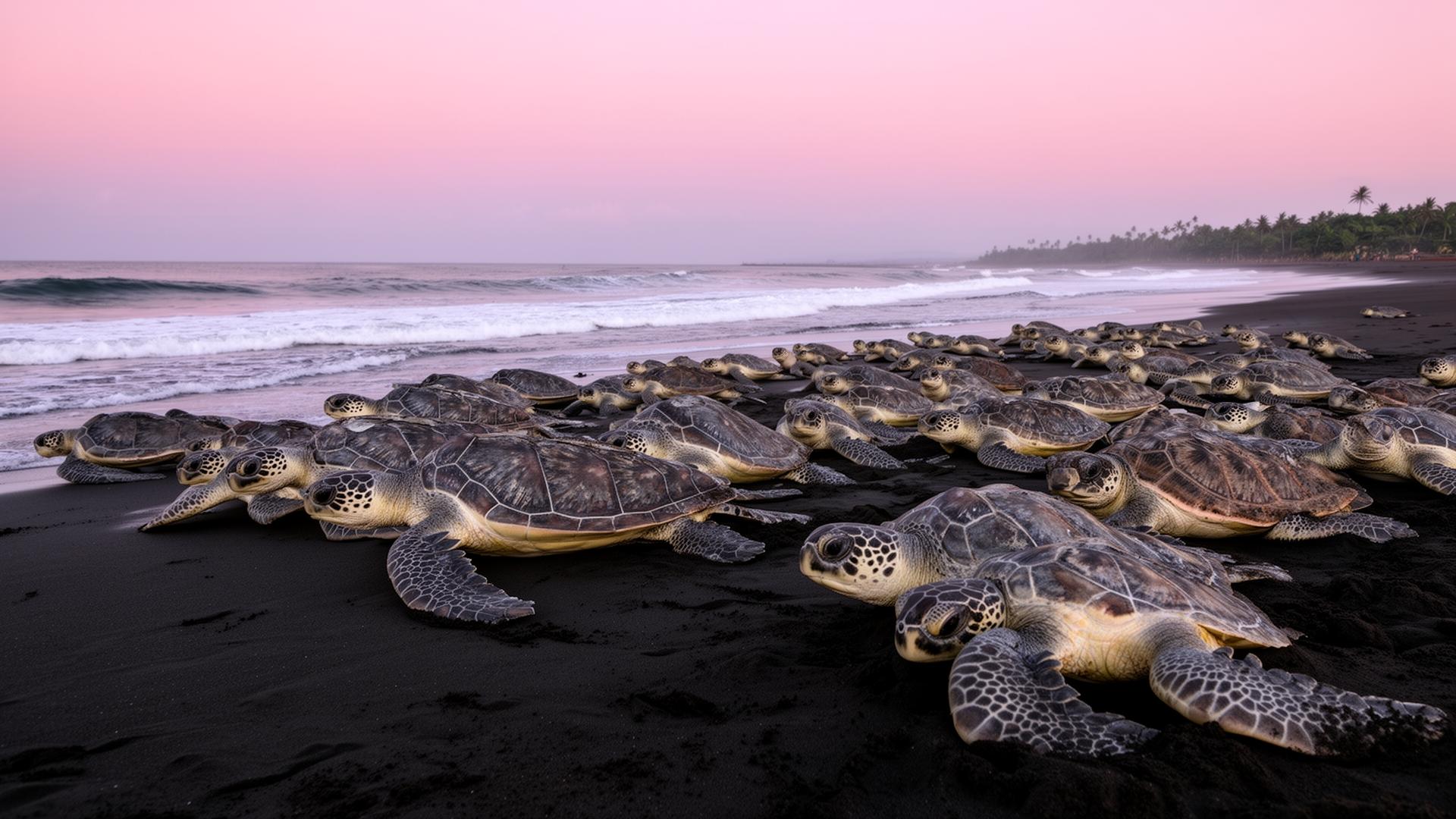
An arribada is a synchronised mass nesting — between five thousand and a hundred thousand female olive ridley sea turtles (Lepidochelys olivacea) emerging from the same stretch of surf within roughly seventy-two hours, digging nests in the same beach, laying about a hundred eggs each, and returning to the ocean.
It happens on only a handful of beaches in the world: Ostional and Nancite in Costa Rica, La Escobilla in Mexico, Gahirmatha in India, and Eilanti in Suriname. Ostional, by some measures, hosts the largest arribadas on the planet — a single event in 1995 brought an estimated five hundred thousand turtles ashore in a week.
When it happens, and why
Arribadas at Ostional occur most predictably in the last quarter of the lunar cycle, between August and December, with smaller events scattered through the rest of the year. The exact trigger is still not fully understood — pheromonal signalling, lunar light, sea-surface temperature and offshore current all seem to play roles — but the synchronisation is striking. The first turtles arrive in twos and threes. By the second night the beach is covered.
The behaviour is almost certainly an anti-predation strategy. A jaguar, a coatimundi, or a poacher can take perhaps a hundred eggs in a night. The arribada produces ten million in three. Most are doomed. Enough, statistically, survive.
Why Ostional is unusual
Ostional is the only beach in the world where the local community has the legal right to harvest a regulated portion of the first 36 hours of eggs. This is not a contradiction. It is the policy that has, paradoxically, kept the arribada alive here.
So many eggs are laid in the first night that the late arrivals dig up the early nests — most of those eggs would be destroyed anyway. The Asociación de Desarrollo Integral de Ostional manages the harvest, runs the beach patrols, raises the hatchlings that arrive late, and funds the village. The community has a direct, measurable economic interest in the turtles surviving, and the population has held steady or grown in the four decades since the policy began. It is one of the few working examples of sustainable use conservation in marine biology.
How to visit, responsibly
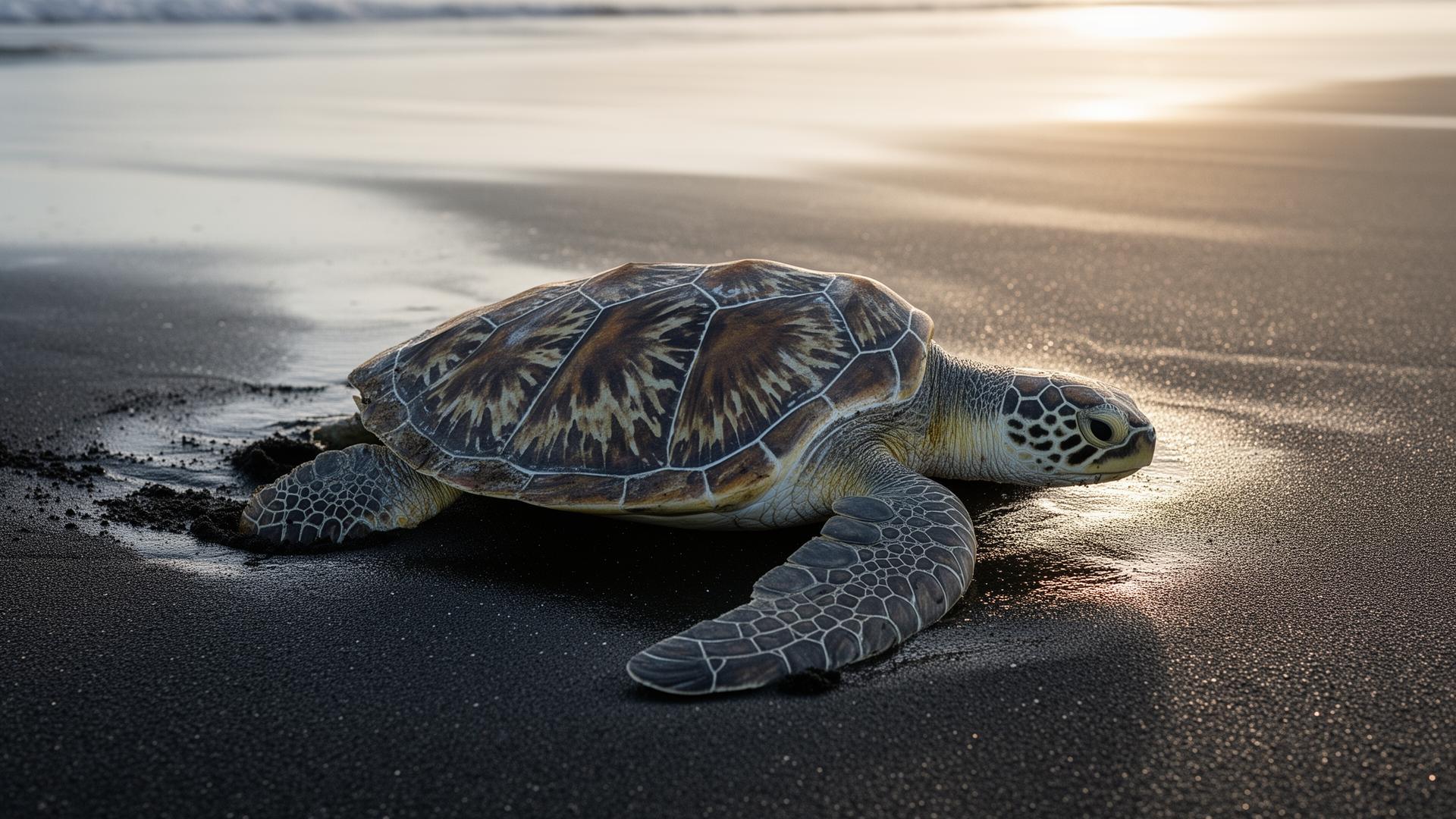
Ostional is a protected refuge (Refugio Nacional de Vida Silvestre Ostional) and visits during an arribada are only permitted with a certified local guide. This is not a tourist gate to push against. The guides are members of the community, they know which sections of the beach are safe to enter, and they manage groups carefully so the nesting females are not disturbed.
The rules are simple and not negotiable:
- No flashlights, no phone screens, no flash photography. Turtles abort the nest at the first bright light.
- Stay behind the guide at all times, and never approach a turtle from the front.
- No touching, ever. Even gentle contact can cause a female to return to the sea without laying.
- Wear dark clothing. White and bright colours reflect more moonlight than you'd think.
- Stay on the wet sand below the high-tide line unless your guide moves the group up.
- Do not buy eggs outside the licensed harvest — illegal eggs undermine the community programme that protects the population.
"The arribada is not a spectacle put on for visitors. It is older than the village, older than the country, older than the road that brings you to it. Behave accordingly."
— Carlos Fonseca
What it is like to be there
You arrive in the dark. The walk from the road to the high-tide line is short, the air is thick with salt and the particular ammoniacal smell of fresh eggs and disturbed sand. The first thing you hear is the breathing — a hundred females, then a thousand, exhaling hard as they dig. The second thing is the percussion of flippers on wet sand. The third is the sound of small clutches of eggs falling, soft and rapid, into the chambers below.
Dawn does not so much arrive as gradually reveal what has been there all night. The pink light comes up and the beach, suddenly, is solid. You stand still. After about an hour the first females begin to head back. The surf takes them, and they vanish in three slow strokes. By full morning the beach is empty again, except for tracks.
Hatchling season — the quieter visit
If you cannot time an arribada, the hatchling release is the gentler, equally extraordinary alternative. From roughly six weeks after each arribada, hundreds to thousands of two-inch hatchlings emerge from the sand at sunrise and sunset and make the short, exposed run to the surf. The community runs guided releases. Frigatebirds and ghost crabs run the opposing programme.
Most mornings between September and February you can see at least a small hatching. It is, for many visitors, the more emotionally weighted of the two events.
Practical notes
Where: Refugio Nacional de Vida Silvestre Ostional, about 40 minutes north of Nosara by 4x4. The last section is unpaved and requires fording a small river — impassable for an hour or two after heavy rain.
When: arribadas predicted on the ADIO Ostional Facebook page about 24 hours in advance. Hatchings most reliable September–February.
Guide: book through the Asociación de Desarrollo Integral de Ostional directly, or through your hotel. Fees go to the community programme.
Cost: entry fee is roughly $10–15 USD per person, plus the guide. Bring small bills in colones.
If you'd like us to time your visit around a predicted arribada — they are unpredictable, but we watch the moon — [our concierge can help](/contact). It is, in our view, the single most extraordinary thing you can witness within an hour of [our suites](/properties).